
Understanding Peptide Purity: Why HPLC Analysis Matters in Research Compounds for Research-Based Products
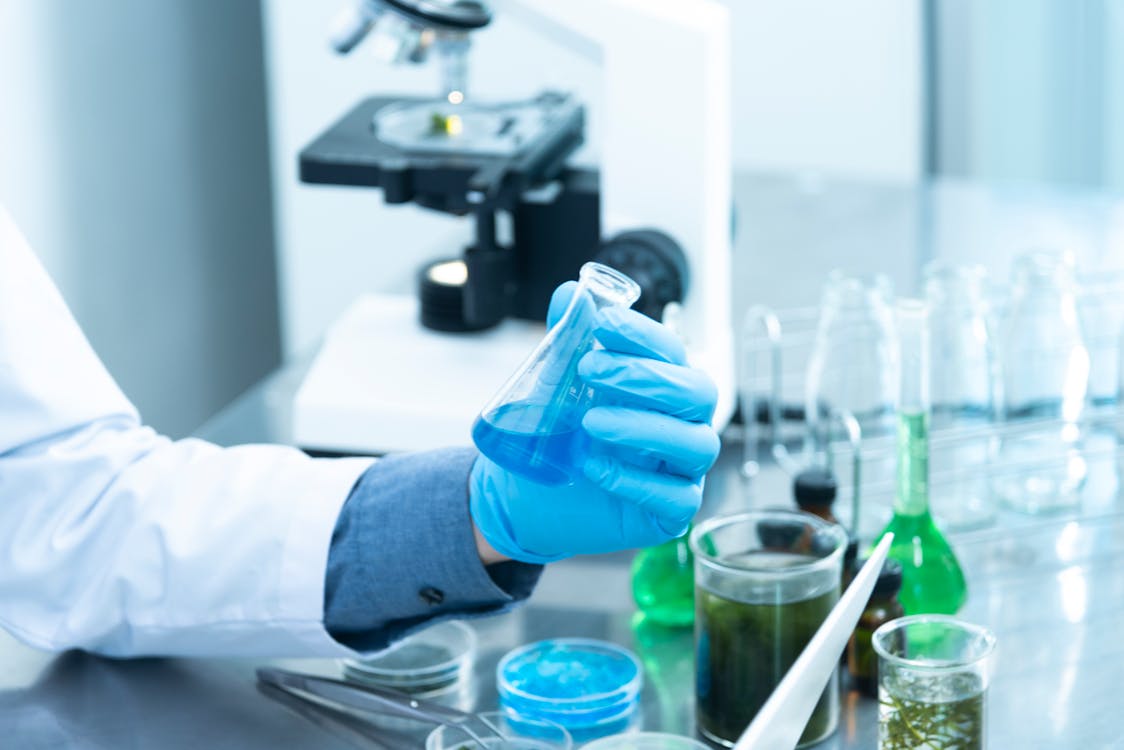
High-Performance Liquid Chromatography (HPLC) is the gold standard for verifying peptide purity in research settings.
In the realm of scientific research, the integrity of your data depends fundamentally on the quality of your reagents. For laboratories working with synthetic peptides, purity isn’t just a specification—it’s the foundation of experimental validity. Even minor impurities can introduce confounding variables, skew results, and compromise months of meticulous work. This is where High-Performance Liquid Chromatography (HPLC) analysis becomes indispensable. As the industry standard for peptide verification, HPLC provides researchers with the confidence that their compounds meet the rigorous standards required for reproducible, reliable science.
What Exactly is HPLC Analysis?
High-Performance Liquid Chromatography is an analytical chemistry technique used to separate, identify, and quantify each component in a peptide sample. The process works by dissolving the peptide and passing it under high pressure through a column packed with a solid adsorbent material. Different molecules in the mixture travel at different speeds, causing them to separate.
The result is a chromatogram—a visual graph where each peak represents a different compound. The area under each peak corresponds to the amount of that substance present. For a pure peptide, you should see one dominant peak representing the target sequence, with minimal to no additional peaks. This separation power allows researchers to distinguish between:
- The target peptide sequence
- Truncated sequences (shorter, incomplete peptides)
- Deletion peptides (missing amino acids)
- Oxidation or other chemical modification byproducts
- Residual solvents or protecting groups from synthesis
Interpreting Purity Percentages: What Do the Numbers Really Mean?
When you see a peptide listed as “>95% pure” or “>98% pure,” this percentage refers to the area of the main peak on the HPLC chromatogram relative to the total area of all peaks detected at a specific wavelength (typically 214 nm, which detects peptide bonds).
Common Purity Grades & Their Research Implications:
| Purity Grade | Typical Use Case | Considerations |
|---|---|---|
| >95% (≥95%) | Screening assays, initial exploratory research | May contain trace impurities; suitable where absolute specificity isn’t critical |
| >98% (≥98%) | Most in-vitro studies, biochemical assays | High standard for published research; minimal interference expected |
| >99% (≥99%) | Structural studies, binding affinity measurements, critical applications | Essential for quantitative work where impurities could significantly alter results |
| >99.5% (≥99.5%) | Crystallography, NMR studies, reference standards | Ultra-pure grade for the most sensitive applications |
It’s crucial to understand that different research applications demand different purity thresholds. A cell-based screening assay might tolerate 95% purity, while nuclear magnetic resonance (NMR) spectroscopy or X-ray crystallography would likely require >99% purity to obtain interpretable data.
Common Contaminants Found in Peptide Synthesis
Understanding what might be present in that remaining 1-5% is key to evaluating peptide quality:
- Truncated Sequences: Shorter chains missing one or more C-terminal or N-terminal amino acids. These often arise from incomplete coupling during solid-phase synthesis.
- Deletion Peptides: Sequences where specific amino acids are missing from the middle of the chain due to synthesis errors.
- Oxidation Products: Methionine and cysteine residues are particularly prone to oxidation, which can alter peptide function and stability.
- Enantiomers: While rare with modern methods, D-amino acid contamination can occur and significantly affect biological activity.
- Residual Solvents & Reagents: Traces of chemicals used during synthesis, cleavage, or purification.
- Aggregates: Peptide chains that have self-associated, which can affect solubility and biological activity.
Each of these contaminants has the potential to act as a confounding variable. For example, a truncated peptide might bind to a receptor but not activate it, acting as a competitive inhibitor in your assay and giving false negative results.
Beyond the Certificate: Best Practices for Researchers
While reputable suppliers provide Certificates of Analysis (CoA) with HPLC data, responsible researchers implement additional verification practices:
1. Request & Review Full HPLC Chromatograms
Don’t settle for just a purity percentage. Ask for the actual chromatogram. Look for:
- A single, sharp, symmetrical main peak
- Baseline separation between peaks
- A clean baseline with minimal noise
2. Understand the Detection Method
Most peptide HPLC uses UV detection at 214 nm, but some impurities might be “HPLC-invisible” if they lack chromophores. For critical applications, ask about Mass Spectrometry (MS) confirmation in addition to HPLC, which verifies not just purity but correct molecular weight.
3. Implement Internal Validation
For longitudinal studies, consider:
- Performing your own analytical HPLC on a subset of vials
- Testing biological activity with a reference standard
- Validating peptide identity via mass spectrometry if equipment is available
4. Proper Storage is Part of Purity Maintenance
Even the purest peptide will degrade if stored improperly. Maintain recommended temperatures (-20°C or -80°C for most lyophilized peptides), protect from light, and avoid repeated freeze-thaw cycles once reconstituted.
5. Documentation for Reproducibility
Record the lot number, purity percentage, and CoA reference in your laboratory notebook and publications. This practice is increasingly required by journals and is fundamental to scientific reproducibility.
The Real Cost of Ignoring Purity
Consider a hypothetical scenario: A research team purchases a peptide listed at “>90% purity” at a significantly lower cost than the >98% grade. They use it in a six-month study investigating receptor binding kinetics. Late in their research, they discover inconsistent results between batches. Upon finally testing the peptide, they find it contains 8% of a truncated sequence that acts as a partial agonist, completely confounding their binding data. The monetary savings evaporate against months of lost time, wasted resources, and delayed publications.
The equation is simple:
Higher initial purity = Reduced experimental variables = Increased result reliability = More efficient use of research resources
Conclusion: Purity as a Pillar of Research Integrity
In research science, where conclusions must be drawn from precise, reproducible data, peptide purity is non-negotiable. HPLC analysis provides the objective, quantitative evidence needed to trust your compounds and, by extension, your results. By understanding HPLC data, implementing verification practices, and matching purity grades to application needs, researchers protect their most valuable assets: their time, their funding, and their scientific credibility.
All products mentioned are for laboratory research use only. Not for human consumption, diagnostic, or therapeutic use. Always verify certificates of analysis and implement appropriate validation protocols for your specific research applications.